

How to Identify the Best Bitcoin Casinos in Canada in 2026: A Safety-First Guide to Licensing, Fair Play, and Responsible Gambling

I've spent way too much time poking around the crypto gambling space over the past few years. And if there's one thing that's stuck with me, it's this: not all Bitcoin casinos are built the same. Some run tight, transparent operations with real audits and actual player protections. Others? Flashy front-ends that vanish the second you try to cash out. In 2026, with crypto gambling about as mainstream as it's ever been in Canada, knowing the difference isn't a nice-to-have anymore — it's survival gear.
This guide covers exactly what I check before trusting any platform with my money. Licensing paperwork, fair-play tech, the responsible gambling tools that actually matter when you're betting in a currency that can swing 10% in a single day — all of it.
What Makes a Bitcoin Casino Legitimate in Canada?
A Bitcoin casino is, at its core, just an online gambling site that takes crypto deposits and withdrawals, usually alongside the regular fiat options too. The appeal makes sense: faster transactions, lower fees, and a bit more privacy than your bank statement usually allows. But legitimacy is a different animal entirely, and in Canada's patchwork regulatory setup, it's one worth taking seriously.
There's no single federal body policing online gambling here the way some countries manage it. Provinces set their own rules instead, and most Bitcoin casinos serving Canadian players sit under offshore licenses rather than domestic ones. That doesn't automatically mean they're sketchy — but it does shift most of the due-diligence work onto you, the player.
Provincial vs. Offshore Licensing
Ontario's the outlier here — the one province running a fully regulated iGaming market, through iGaming Ontario (iGO) under the Alcohol and Gaming Commission of Ontario. Operators licensed there have to meet strict standards, including crypto-specific compliance rules that have come a long way since the market first opened. Outside Ontario, most Canadians end up on Bitcoin casinos licensed somewhere like Curacao or Malta (MGA).
Which creates a legal gray zone, honestly. It's generally not illegal for Canadian residents to gamble on offshore-licensed sites. But those platforms aren't bound by Canadian consumer protection laws — not even close. That's exactly why checking a licensing body's reputation and enforcement track record matters so much, long before you type in any payment details.
Key Licensing and Fair Play Credentials to Check
Before I deposit a single satoshi, I'm looking for third-party audit seals. Groups like eCOGRA and iTech Labs independently test random number generators and payout percentages, and the legit casinos put these certifications somewhere visible — usually the footer, with a verification link that actually works when you click it. (You'd be surprised how many don't.)
Beyond the standard audit trail, though, Bitcoin casinos have something fiat sites simply can't offer: blockchain-based transparency baked right into the game mechanics.
Understanding Provably Fair Technology
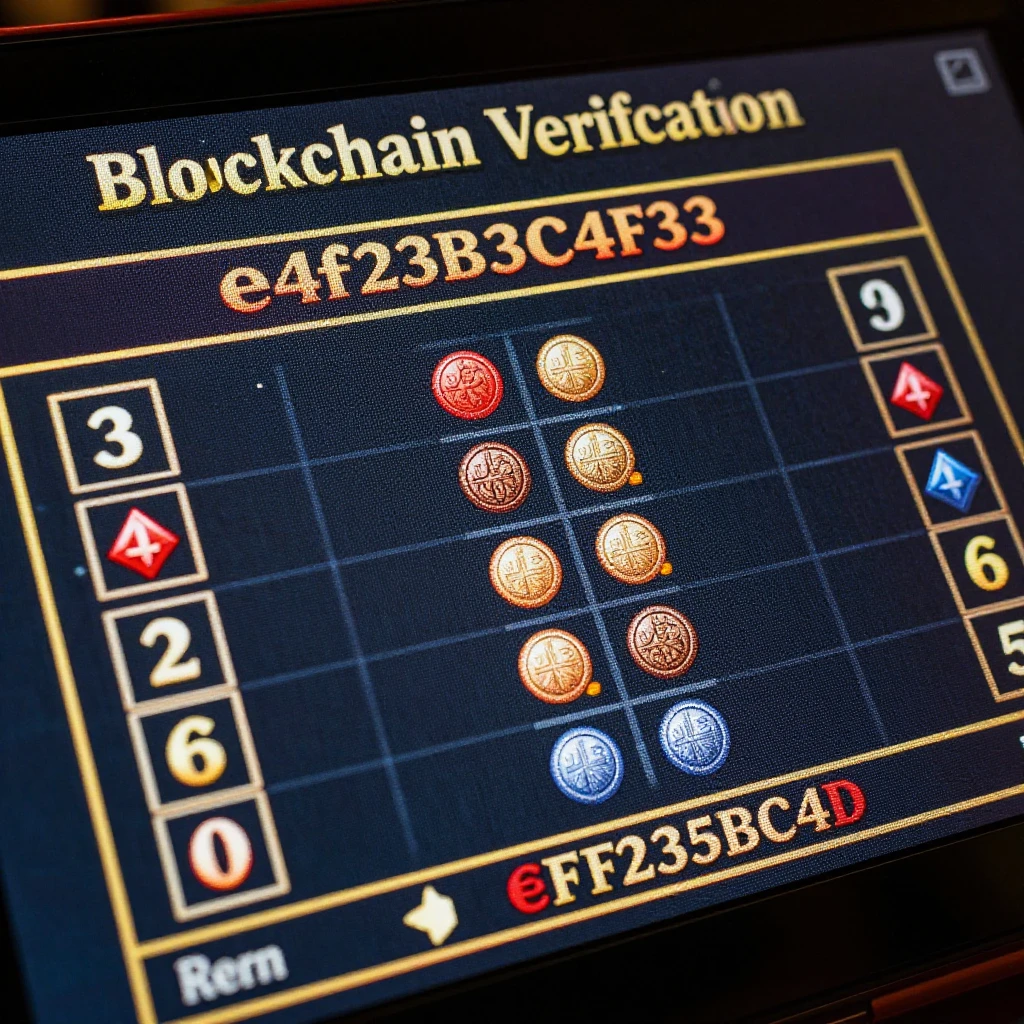
Provably fair systems rely on cryptographic hashing so players can verify, mathematically, that a game outcome wasn't tampered with after the bet landed. Before each round, the casino generates a hash of the result and hands it to you upfront. After the round plays out, you check that hash against the actual outcome using independent verification tools. It's one of the genuinely useful innovations crypto gambling has brought to the table — and I'd raise an eyebrow at any Bitcoin casino that skips it on slots and table games alike.
Security Features That Protect Canadian Players
Licensing and fairness only matter if your money and data are actually safe on the back end. Look for SSL encryption across the entire site — not just the login page, the whole thing — plus two-factor authentication for account access. Check, too, for evidence that the casino keeps most of its crypto holdings in cold wallets rather than hot, internet-connected ones.
KYC (Know Your Customer) and AML (Anti-Money Laundering) compliance are worth checking too, even if some players find the process a hassle. Here's the pattern I've noticed: casinos that skip identity verification entirely tend to be the same ones that skip paying out large withdrawals. Funny how that works.
How to Evaluate and Shortlist Trustworthy Platforms
When I'm vetting a new platform, I start with the licensing footer. Then independent review sites. Then community forums, hunting for recent withdrawal complaints. Patterns matter way more than any single gripe — every casino picks up an unhappy customer eventually. But a flood of 'I never got paid' posts from the last six months? That's a real red flag, not noise.
It's also smart, when researching the best bitcoin casinos, to lean on independent support organizations such as IPAC-AMAC. They offer unbiased guidance on responsible gambling frameworks that most casino operators simply won't volunteer on their own — and that gap matters. It gives you a fuller picture before you commit a cent.
Red Flags to Avoid
- No visible or verifiable license number
- Withdrawal delays stretching beyond the stated processing times
- Vague or constantly changing terms and conditions
- No self-exclusion or deposit limit tools anywhere in the account settings
- Customer support that's unreachable outside of a generic contact form
Responsible Gambling Tools and Support in Canada
Crypto's volatility creates a sneaky kind of risk. Players sometimes underestimate how much they're actually wagering, simply because the numbers show up in BTC instead of familiar dollars. A $50 bet feels like a different animal when it reads as 0.0008 BTC on screen, and that mental disconnect can quietly push you into overspending before you even notice.
Reputable Bitcoin casinos push back against this with self-exclusion programs, adjustable deposit and loss limits, and those reality-check pop-ups that remind you how long you've been at it and how much you've spent. Canadian players also have national and provincial helplines to lean on, plus organizations like IPAC-AMAC, for support that goes well beyond anything an individual casino is willing to offer on its own.
Common Mistakes Canadian Crypto Gamblers Make
I've made a few of these myself early on, so this comes from experience rather than judgment:
- Ignoring wagering requirements on crypto bonuses, which tend to run steeper than fiat equivalents
- Using unregulated or sketchy exchanges to fund casino wallets, which piles on extra risk before the bet's even placed
- Overlooking daily or weekly withdrawal caps that can trap a big win for days, sometimes weeks
- Chasing losses during price dips, treating a bad run like a chance to 'win back' value in a currency that's already moving against you
The fix for most of this is almost embarrassingly simple: read the terms before you deposit, not after you're trying to withdraw.
Final Checklist Before You Deposit
Here's the short version I run through every single time I size up a new platform:
- Verified, active license from a recognized authority (iGO, MGA, or a reputable Curacao license)
- Third-party audit seals from eCOGRA or iTech Labs, plus provably fair verification
- Cold wallet storage, SSL encryption, and 2FA account protection
- Visible KYC/AML procedures that don't feel like an afterthought bolted on at the last minute
- Self-exclusion, deposit limits, and reality check tools built right into the platform
- Transparent withdrawal timelines with no hidden caps
- Responsive customer support with multiple contact channels
Treat any new Bitcoin casino in 2026 the way you'd treat a new financial service — because, really, that's what it is. Work through the checklist above, lean on independent resources whenever you're unsure, and you'll put yourself in a far stronger spot to enjoy the upside of crypto gambling without the nasty surprises waiting at the end.