

The Rise of Record Store Day: Limited Editions and Collectibles
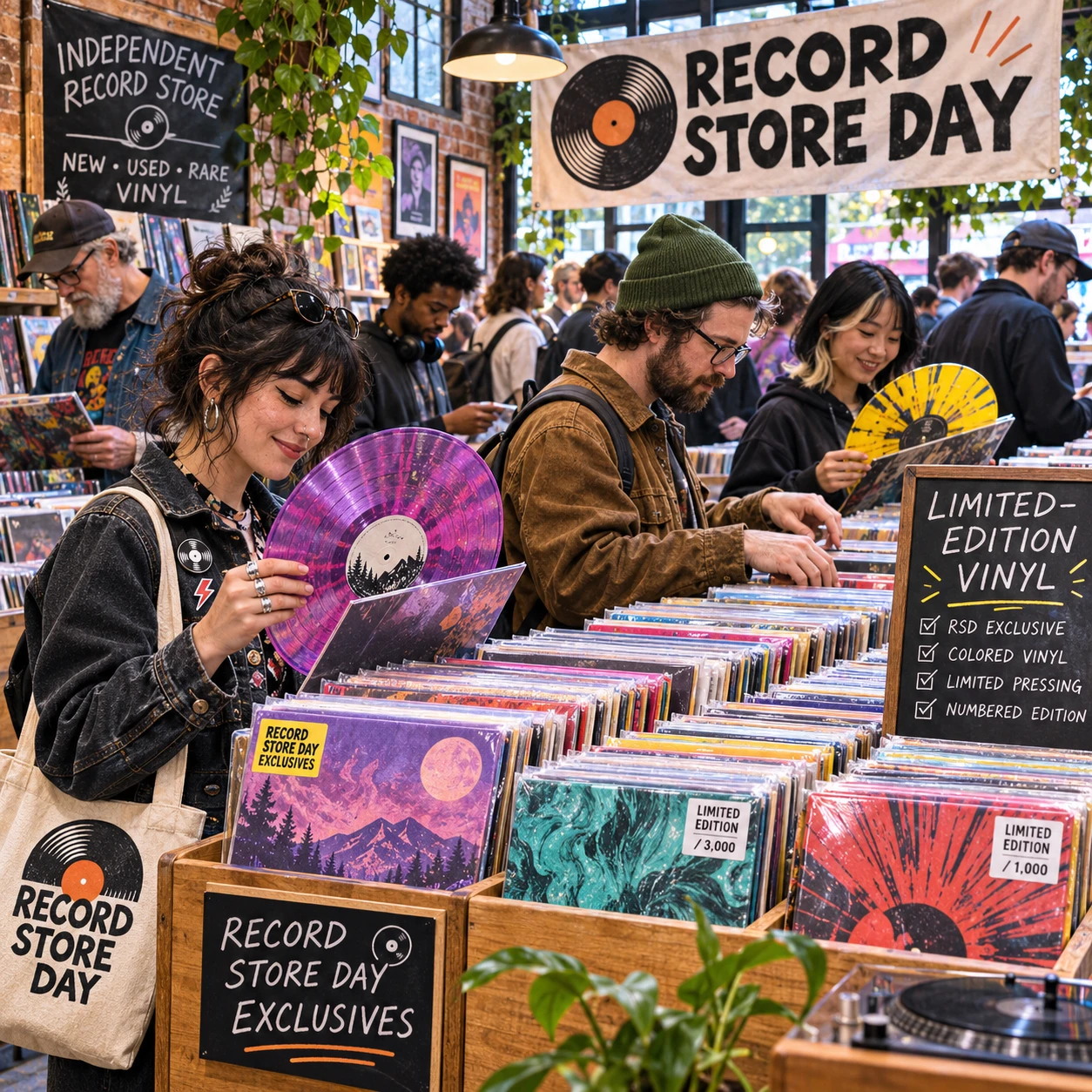
For vinyl collectors, Record Store Day can mean a carefully planned search for a favorite artist’s exclusive pressing, a chance to discover new music, or simply a lively morning at a local shop. The annual event has grown around all three: independent record stores, special releases, and the pleasure of finding records in person.
Its collectible editions make headlines, but rarity is only one part of the story. Understanding how the event works, what gives a release appeal, and how to care for a purchase helps collectors enjoy RSD without treating every record like a guaranteed investment.
What Is Record Store Day?
Record Store Day (RSD) is an event that celebrates independent record stores with in-store activities and specially selected vinyl releases. It gives music fans a reason to visit local shops and highlights the role those stores play in their communities.
RSD began in 2008, organized by independent record-store owners and employees in the United States. It has since developed into an international event, with participating shops and releases varying by country and year. The central idea remains straightforward: encourage people to browse, buy music, and connect with their local record shop.
Many stores mark the day with artist appearances, DJ sets, performances, or extended opening hours. A featured part of the event is a slate of exclusive releases, often pressed in limited quantities for participating retailers. These can include albums, singles, live recordings, reissues, and compilations.
Availability is not identical everywhere. A release listed for RSD may not reach every shop, and participating stores decide what they order and how they manage sales. The event is best understood as a shared celebration, not a single nationwide inventory with guaranteed stock.
How Record Store Day Became a Collector’s Event
Record Store Day became a collector’s event because it combines special releases with the excitement of discovering records in a physical shop. The limited selection gives collectors a reason to plan, while the shared in-store experience makes the day feel different from an ordinary online purchase.
As the event grew, its releases began drawing attention from fans who wanted music that was hard to find elsewhere: archival recordings, alternate versions, anniversary editions, or titles returning to vinyl. Colored vinyl and distinctive sleeves added visual appeal, and some editions offered material not included on standard releases.
The hunt is part of the experience. Collectors compare wish lists, talk with shop staff, and scan the bins to see what has arrived. A store may have a long queue before opening, while another offers a quieter chance to browse later in the day. That unpredictability is a drawback for anyone set on one specific title, but it also leaves room for unexpected discoveries.
RSD’s growth also reflects the continuing importance of independent record stores. Staff recommendations, used-record sections, and local music knowledge give shoppers more than a transaction. The event brings that community into focus, even as demand for headline releases can sometimes crowd out the slower pleasure of browsing.
What Makes RSD Releases Collectible?
RSD releases attract collectors through a combination of limited availability, special formats, distinctive packaging, and personal meaning. A small pressing run can create urgency, but condition, provenance, and the music itself matter just as much to a lasting collection.
Common collectible features include:
- Limited-edition pressings: A release may be produced in a stated quantity, though the number alone does not predict future demand or value.
- Variants and colored vinyl: Different colors, splatter effects, or other visual treatments can distinguish an edition. These details are appealing, but they do not necessarily change how the record sounds.
- Exclusive content: Some releases include live performances, alternate takes, remixes, or recordings that are difficult to find on another format.
- Collectible packaging: Special sleeves, inserts, artwork, or formats can make a copy feel distinct from a standard issue.
For collectors, a record’s condition can be as important as its edition. A clean, well-preserved copy with its original sleeve and inserts is generally more desirable than one with seam splits, ring wear, or a damaged disc. Keep the receipt or other purchase information when useful; it can help establish where and when you bought a copy, especially if you later trade or sell it.
Before buying, check the jacket and record where possible. A limited pressing can still have manufacturing flaws, and sealed packaging makes inspection difficult. If you are choosing between two copies, ask the shop whether you may inspect them and follow its handling rules.
The Appeal—and Limits—of Scarcity
Scarcity attracts attention because collectors know that a limited RSD release may be difficult to find after the event. But rarity does not guarantee lasting value, musical quality, or strong resale demand.
Demand depends on more than pressing quantity. An artist’s popularity, the importance of the material, the quality of the pressing, and the number of fans seeking that particular edition all play a role. A record made in a small run may remain affordable if few people want it; a more widely available title can become sought-after if interest grows over time.
That distinction matters when prices rise on resale marketplaces. A high asking price is not proof that buyers are paying that amount, and a brief post-event shortage may ease when copies circulate or demand settles. Buying primarily for expected profit means accepting uncertainty, along with the possibility of paying more than the record is worth to you as a listener.
A useful way to judge a potential purchase is to ask three questions: Would I want the music if it were a standard pressing? Do the special features matter to me? Is the price comfortable even if resale value never increases? If the answers point to genuine enjoyment, scarcity can be an added attraction rather than the only reason to buy.
How to Prepare for Record Store Day
To prepare for Record Store Day, check official release information and participating-store details, rank your wish list, set a firm budget, and stay open to alternatives. A little planning improves your chances without turning the day into a stressful race.
- Confirm the local details. Check the current RSD release list and ask nearby participating stores about opening times, order limits, queues, and whether they expect to stock the records you want. Store policies and availability can differ.
- Rank your wish list. Put must-haves first, followed by titles you would be happy to find. Include artist and release details so you can identify the right edition quickly.
- Set a realistic budget. Include sales tax and leave room for an unexpected find. If one record is expensive, decide in advance what you are willing to pay rather than making that choice in a busy line.
- Plan around the store. Find out whether releases are sold on a first-come basis or through another system. Bring a suitable bag, dress for the weather if you expect to wait outside, and follow staff instructions.
- Stay flexible. If a title sells out, browse other releases or return later. The day’s value does not depend on securing every record on your list.
Most importantly, treat stock information as a guide, not a promise. Retailers may receive fewer copies than requested, and popular records can sell quickly. A phone call or a store’s verified social account is often more useful than assuming every shop will have the same selection.
Collecting and Caring for RSD Records
Collect RSD records selectively and care for them like any other vinyl: handle discs by the edges, keep them clean, and store them upright in a stable environment. Special editions deserve attention, but their color or limited status does not call for different playback basics.
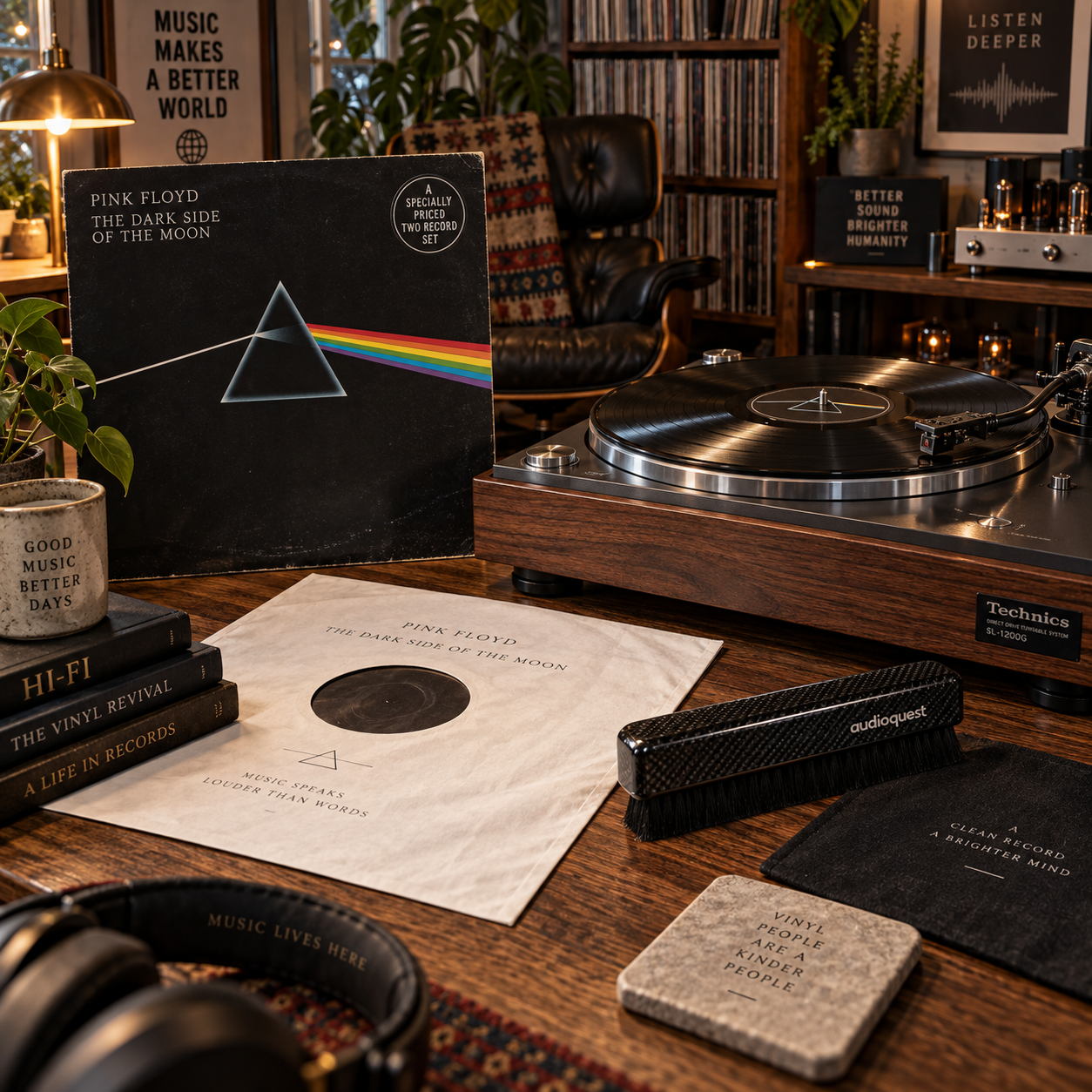
After opening a new record, remove dust with a carbon-fiber brush or another cleaner designed for vinyl. Use clean hands, and avoid touching the playing surface. For storage, place the disc in a protective inner sleeve and keep the jacket in an outer sleeve if you want to limit wear. Store records vertically, away from direct sunlight, heaters, dampness, and heavy pressure that could warp the disc or damage the cover.
Keep inserts and original packaging together, especially if they are part of what makes the edition meaningful to you. Avoid stacking records for long periods, and do not leave a newly purchased album in a hot car. These simple habits protect sound quality and appearance without requiring elaborate equipment.
Good collecting also involves restraint. Before buying a limited edition, consider whether you want the music, the physical design, or both. RSD can make impulse purchases tempting, but a smaller collection of records you enjoy often serves you better than a shelf filled mainly to chase scarcity.
Frequently Asked Questions
Are all Record Store Day releases limited editions?
No. Many RSD titles are produced in limited quantities, but release formats and availability vary. Check the details for each title and ask a participating store about its stock.
Do RSD exclusives increase in value?
Some may become more sought-after, but there is no guarantee. Resale value depends on demand, condition, the artist, and the specific release, and asking prices do not always reflect completed sales.
How can collectors find out which releases are available?
Review the official Record Store Day release information for the relevant event, then contact participating independent record stores. Local shops can explain which titles they expect and how they handle sales.
How should special-edition vinyl be stored?
Store records upright in protective sleeves, away from heat, sunlight, moisture, and pressure. Handle the disc by its edges and keep any collectible inserts with the jacket.